

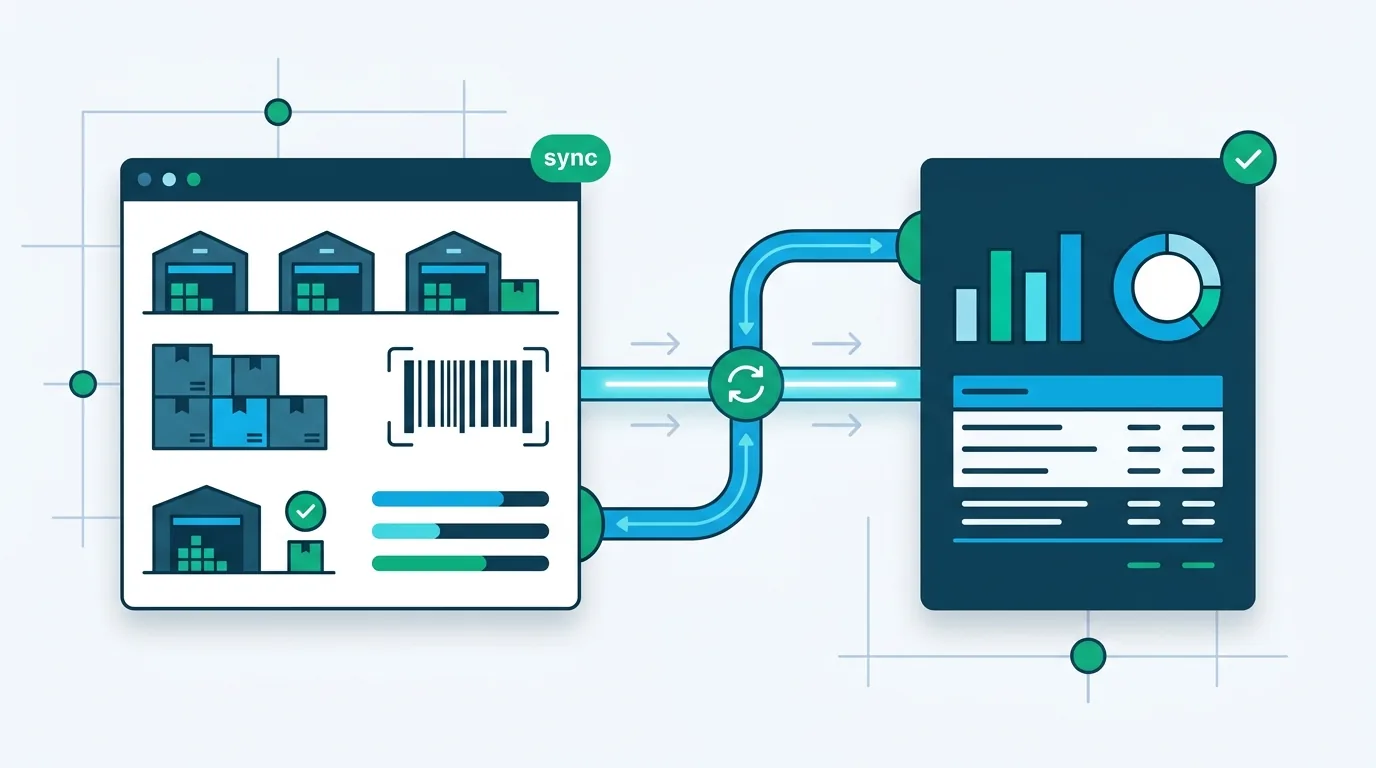
Accounting platforms like Xero and QuickBooks Online are excellent at bank reconciliation, payroll, and statutory tax returns. That is why accountants in the UK, USA, Australia, and worldwide love them. However, once a wholesale or retail business grows past a few hundred SKUs or opens a second warehouse, accounting software alone quickly hits operational limits.
5 Signs Your Business Has Outgrown Standalone Accounting Software
- You manage multiple warehouses or branches: Accounting tools track basic item quantities, not live bin/warehouse stock transfers or branch-level reorder triggers.
- Cashiers need high-speed barcode POS: Ringing up 200+ daily counter transactions with thermal printers, returns, and shift cash-drawer handovers requires a purpose-built POS engine.
- You sell with tiered wholesale & lot pricing: Trade buyers expect customer-specific price lists, bulk discounts, and batch/expiry tracking.
- Staff need strict role permissions: Warehouse clerks and cashiers should create dispatches and bills without seeing your company's full profit-and-loss or bank balances.
- Excel is filling the gaps: If your team maintains separate spreadsheets for stock counts, supplier orders, and customer credit limits, errors and stockouts become inevitable.
The Smart Setup: Operational Cloud ERP + Your Accountant
You do not have to fire your accountant or abandon Xero/QuickBooks to get enterprise-grade warehouse control. Many growing SMEs run SES ERP as their daily operational backbone—handling multi-warehouse stock, barcode POS, wholesale invoicing, supplier purchases, and customer ledgers—and export clean monthly CSV/Excel summaries for their accountant to finalize statutory tax filings.
Ready to Replace Spreadsheets Without Enterprise Bloat?
Explore SES ERP features and GBP/USD pricing, review our Security & Data Protection standards, or book a 30-minute live demo with our team.